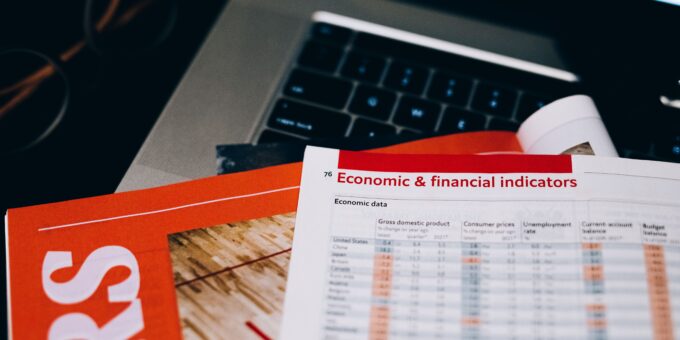
Successful investing requires more than choosing popular stocks or following market trends. Smart investors study economic data to understand where the economy is heading. The top economic indicators every investor should watch for financial success provide valuable insights into inflation, employment, consumer behavior, interest rates, and overall market conditions.
Economic indicators help investors make informed decisions by showing the current health of an economy and predicting possible future changes. Whether you invest in stocks, real estate, bonds, or a diversified portfolio, understanding these indicators can improve your financial strategy and reduce unnecessary risks.
Why Economic Indicators Matter for Investors
Economic indicators are statistics released by government agencies, financial institutions, and research organizations. They reveal important information about economic performance and market direction.
Investors use these indicators to identify opportunities, manage risks, and adjust their investment strategies. For example, rising inflation may affect stock valuations, while strong employment numbers can signal increased consumer spending.
Learning how to interpret economic data is an essential skill for anyone looking to build long-term wealth. Many successful investors combine economic analysis with other strategies, including passive income planning and diversified asset management.
1. Gross Domestic Product (GDP) Growth
Gross Domestic Product, commonly known as GDP, is one of the most important economic indicators. It measures the total value of goods and services produced within a country over a specific period.
A growing GDP usually indicates a healthy economy. Businesses tend to earn more revenue, consumers spend more, and investment opportunities may increase. However, slow GDP growth or a decline can signal economic weakness.
Investors watch GDP trends because they influence corporate earnings, stock market performance, and government policies. Strong economic expansion may support higher market valuations, while economic contraction may create challenges for companies.
You can learn more about GDP data from the official economic resources provided by the U.S. Bureau of Economic Analysis.
2. Inflation Rate and Consumer Price Index (CPI)
Inflation is another critical factor that every investor should monitor. It measures how quickly prices for goods and services increase over time.
The Consumer Price Index (CPI) is a widely followed inflation measurement tool. When inflation rises too quickly, purchasing power decreases, and central banks may increase interest rates to control price growth.
High inflation can impact investments in different ways. Companies may experience higher operating costs, consumers may reduce spending, and bond values can be affected.
Understanding inflation trends helps investors decide how to allocate assets. Some investors consider inflation-resistant investments, such as certain commodities, real estate, or inflation-protected securities.
3. Interest Rates and Federal Reserve Decisions
Interest rates have a powerful impact on financial markets. Central banks adjust rates to manage economic growth and inflation.
In the United States, investors closely follow decisions from the Federal Reserve. Changes in interest rates can influence borrowing costs, consumer spending, business expansion, and investment returns.
When interest rates are low, businesses and consumers often borrow more money, which can support economic growth. When rates increase, borrowing becomes more expensive, potentially slowing economic activity.
Investors should pay attention to central bank announcements because they often create movement in stock markets, currency markets, and bond markets.
4. Employment and Unemployment Data
The labor market provides important clues about economic strength. Employment reports show whether companies are hiring, reducing staff, or maintaining workforce levels.
A strong job market usually supports consumer confidence because people with stable incomes are more likely to spend money. Increased consumer spending can benefit businesses and investors.
On the other hand, rising unemployment may indicate economic challenges ahead. Investors often analyze monthly employment reports to understand future market conditions.
5. Consumer Confidence and Spending
Consumer behavior plays a major role in economic growth. Consumer confidence surveys measure how optimistic people feel about their financial situation and the economy.
When confidence is high, consumers are more likely to purchase products, invest in homes, and support business growth. When confidence declines, spending may slow.
Retail sales data also helps investors understand consumer demand. Companies that depend heavily on consumer spending often see their performance change based on these trends.
6. Stock Market Performance
The stock market itself can act as an economic indicator. While stock prices do not always perfectly predict economic conditions, market movements often reflect investor expectations.
Rising stock markets may indicate confidence in future economic growth. However, investors should avoid making decisions based only on short-term market movements.
A long-term investment approach combined with economic research can help create better financial outcomes. Many investors also explore additional wealth-building methods, including online business opportunities and digital income strategies.
7. Housing Market Data
The housing market is another important economic indicator. Home prices, construction activity, mortgage rates, and housing demand reveal information about consumer confidence and economic stability.
A strong housing market can support economic growth because it increases demand for construction, home improvement, furniture, and financial services.
However, rapid increases in housing prices can create affordability challenges. Investors monitor housing data to understand risks and opportunities in real estate markets.
8. Manufacturing and Business Activity
Manufacturing data provides insight into business conditions and industrial growth. The Purchasing Managers’ Index (PMI) is one commonly followed measurement of manufacturing and service activity.
Higher manufacturing activity often suggests stronger demand and business expansion. A decline may indicate slower economic conditions.
Investors use manufacturing trends to evaluate industries such as technology, energy, transportation, and industrial companies.
9. Corporate Earnings Reports
Economic indicators provide a broad market view, but investors should also examine company-specific performance. Corporate earnings reports reveal how businesses are managing revenue, expenses, and profitability.
Strong earnings growth can support higher stock valuations. Weak earnings may indicate challenges within specific industries or companies.
Combining economic indicators with company analysis helps investors make more balanced decisions.
10. Currency Strength and Trade Data
Currency movements can provide important information about economic conditions. A strong currency may reflect investor confidence, while currency weakness may indicate economic concerns.
Trade data, including exports and imports, also helps investors understand international economic relationships.
Companies that operate globally are especially affected by currency changes. Investors should consider exchange rate trends when evaluating international investments.
How Investors Can Use Economic Indicators Effectively
Understanding economic indicators is valuable, but investors should avoid relying on a single data point. Markets are influenced by many factors, including politics, global events, company performance, and investor sentiment.
A practical approach is to monitor multiple indicators together. For example, strong employment growth combined with stable inflation and healthy consumer spending may suggest positive economic conditions.
Investors should also maintain a clear financial plan. Diversification, risk management, and consistent investing habits are essential for long-term success.
Economic Indicators and Modern Wealth Strategies
Today’s investors have more opportunities than ever to create wealth. Beyond traditional investments, many people explore digital income sources such as affiliate marketing and online entrepreneurship.
Understanding the difference between business models is important. For example, affiliate vs dropshipping represents two popular online income approaches. Affiliate marketing focuses on promoting products from other companies, while a dropshipping business involves selling products without managing inventory directly.
Regardless of the income strategy, economic awareness remains important. Changes in consumer behavior, inflation, and market conditions can influence both traditional investments and online businesses.
Final Thoughts
The top economic indicators every investor should watch for financial success provide essential information for making smarter financial decisions. GDP growth, inflation, interest rates, employment, consumer spending, housing data, and business activity all offer valuable insights into economic direction.
Successful investors do not predict the future perfectly. Instead, they use reliable information, careful analysis, and disciplined strategies to prepare for different market conditions.
By regularly monitoring economic indicators and continuously improving financial knowledge, investors can build stronger strategies and increase their chances of achieving long-term financial success.
“`
